
 by
by 
Buying a new construction home is exciting. You’re getting modern design, customization options, and the chance to be the first to live in your space.
But navigating the process—especially builder release phases, pricing strategies, incentives, and upgrades—can feel overwhelming.
This guide breaks down what buyers should know before signing a contract so you make informed decisions and get the best value from your investment.
The Strategic Path to New Construction
Acquiring a new construction home is more than a transaction; it is a multi-layered investment in modern architecture and personal legacy. Navigating the builder’s ecosystem—from release phases to sophisticated pricing strategies—requires a CMO’s precision and a selective eye for luxury standards.
Decoding Builder Release Phases
Home builders utilize staggered release phases to architect artificial scarcity and manage demand. Instead of a market-wide inventory dump, they release units in groups to control price escalations and sales velocity.
Strategic Objectives:
- Demand Engineering: Controlling supply to generate ongoing interest.
- Price Optimization: Adjusting entry points as the community infrastructure matures.
- Product Refinement: Implementing architectural tweaks based on early-buyer feedback.

Timing Your Acquisition
Purchasing during the pre-construction or first phase maximizes equity gain. You secure the lowest base prices and the premier lot selections (corner units, superior views).
Risk Profile: Longer construction timelines and evolving community amenities.
Ideal for buyers prioritizing immediate lifestyle. Amenities (pools, landscaping) are often complete, and the community aesthetic is fully realized.
Risk Profile: Higher acquisition costs and limited choice in remaining high-demand lots.
Pricing Architecture & Upgrades
Base Price vs. ROI-Focused Upgrades
The “Base Price” is merely the starting line. High-level negotiation often centers on Premium Upgrades. Sophisticated buyers prioritize structural upgrades and high-yield finishes (gourmet kitchens, primary suites) that safeguard long-term resale value.
Incentives & Deadlines
Builders may offer Rate Buy-downs or Closing Cost Credits to close out inventory. Crucially, customization has strict Lock-In Deadlines. Missing these windows can force you into contractor-grade finishes that compromise the villa’s luxury potential.
Professional Advocacy: Protecting Your Interest
The builder’s in-house agent is an advocate for the developer, not you. For high-stakes luxury negotiations, a dedicated Buyer’s Agent is essential to review non-standard contract clauses, navigate warranty nuances, and ensure independent inspections.
- Advise on hidden pricing escalations
- Negotiate structural change-order fees
- Oversee the pre-drywall and final inspections
Final Executive Checklist
| Strategic Pillar | Executive Action |
|---|---|
| Release Phases | Compare Early (Equity focused) vs. Late (Amenities ready). |
| Pricing | Review Base Price vs. Upgrade ROI; negotiate incentives. |
| Customization | Strict adherence to lock-in deadlines for high-value features. |
| Contracts | Audit timeline penalties and 1-2-10 year warranty coverage. |
| Inspections | Hire an independent specialist; never rely on municipal permits alone. |
📌 What Are Builder Release Phases?
Home builders rarely sell all lots or units at once. Instead, they divide a new community into release phases—staggered groups of homes that become available over time.
Each release typically includes a set number of lots, floor plans, and pricing.
Why Builders Use Release Phases
- Manage demand – By controlling inventory, builders generate ongoing interest and sales momentum.
- Adjust pricing – Early phases often have lower base prices, while later phases may increase prices based on demand and market shifts.
- Refine offerings – Feedback from earlier buyers can influence changes in later builds (e.g., amenities, upgrades, floor plan tweaks).
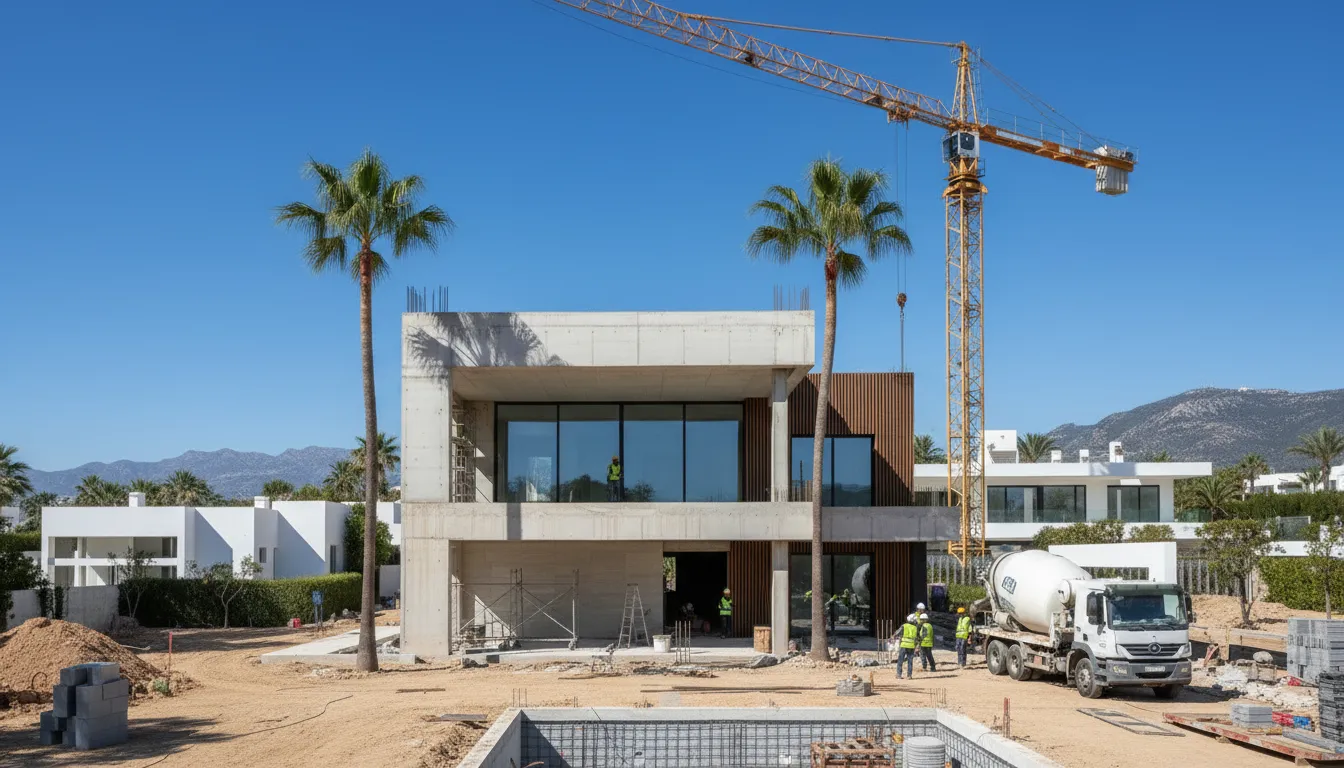
🗓️ Timing Your Purchase: Early vs. Later Phases
🏁 Early Phase Benefits
Purchasing in the early phase can be a great strategy—especially for buyers looking to maximize value.
Advantages:
- Lower prices: Base prices are often set to attract initial buyers and create buzz.
- Best lot selection: Early buyers typically choose from the most desirable locations (e.g., corner lots, scenic views).
- Custom options: Builders may offer more flexibility on upgrades and design choices.
Considerations:
- Construction timeline: Expect longer wait times before move-in.
- Less community development: Amenities and infrastructure may still be under construction.
📈 Later Phase Benefits
Buying later in the development cycle has perks too.
Advantages:
- Completed amenities: Pools, trails, clubhouses, and landscaping are often finished or near completion.
- Established community vibe: You’ll see more neighbors and a clearer picture of the community atmosphere.
- Predictable timeline: Homes may be closer to completion, reducing uncertainty.
Considerations:
- Higher prices: Demand and limited lot availability can increase pricing.
- Fewer high-demand lots: Best positions may already be taken.
Tip: Comprehensive guide to purchasing a new construction home
💰 How Pricing Works in New Construction
Understanding builder pricing is crucial for getting a good deal and avoiding surprises.
📊 Base Price vs. Upgrades
The base price of a home includes the core structure and standard features. Anything beyond this—like premium flooring, gourmet kitchens, or smart home systems—is considered an upgrade and added to the final cost.
Tip: Always get a detailed list of what’s included in the base price. Some builders have generous standard features, while others use low base pricing and make money on upgrades.
📈 Price Escalations
Builders may increase prices between phases and even within a phase if demand is high. This makes timing your purchase important—waiting too long could mean paying more for a similar home.
Ask your agent:
- “Has pricing changed since the last release?”
- “Are there planned price increases for the next phase?”
🎁 Incentives and Promotions
Builders often offer incentives to attract buyers, especially during slower seasons or to close out inventory.
Common incentives include:
- Rate buy-downs (lower mortgage interest rate for a period)
- Closing cost assistance
- Free upgrades
- Flexible move-in dates
Pro tip: Incentives can sometimes be negotiated in lieu of upgrades—choose the option that saves the most money based on your priorities.
📐 Customization: Choices and Costs
One of the most appealing aspects of new construction is the ability to customize your home.
🛠️ Standard vs. Premium Options
Builders typically offer:
- Standard features: Included in base price (e.g., basic cabinets, standard carpet)
- Premium upgrades: Available at additional cost (e.g., quartz countertops, hardwood floors)
Strategy: Prioritize upgrades that add the most resale value, such as kitchen and bathroom finishes.
📅 Lock-In Deadlines
Builders set deadlines for choosing upgrades. Missing these deadlines can limit your options or result in undesirable finishes.
Action step: Keep a checklist of upgrade decisions and deadlines. Consider hiring an interior designer for expert guidance.
🧠 Working With Professionals
Buying new construction is different from purchasing an existing home. Here’s who can help:
🏠 Real Estate Agent (Preferably Buyer’s Agent)
Even though the builder has an in-house sales agent, they represent the builder, not you. A buyer’s agent can:
- Advise on pricing and phases
- Negotiate incentives or upgrades
- Review contracts and terms
- Advocate for your interests
Important: Builder contracts may include non-standard clauses. A knowledgeable agent can help you understand potential risks.
📋 Mortgage Lender
Getting pre-approved with a lender familiar with new construction helps you:
- Understand your budget
- Lock in better financing rates
- Navigate builder financing incentives
Some builders require buyers to use their preferred lenders to qualify for incentives, but this isn’t always the best financial choice. Compare offers before committing.
🧾 Contract Terms You Must Know
Builder contracts differ from resale home contracts. Watch for these key elements:
🗓️ Build Timeline
Understand the estimated start and completion dates, and whether there are penalties for delays.
🧑🔧 Warranty Coverage
Most new homes come with warranties, but coverage varies.
Common warranties include:
- 1 year for workmanship
- 2 years for mechanical systems
- 10 years for structural defects
Always get the warranty in writing and understand what is covered.
🔄 Change Order Fees
Changes after contract signing may incur fees. These “change orders” can become expensive, so plan early.
🏡 Final Walkthrough and Inspections
Before closing, you’ll have a final walkthrough. This is your opportunity to catch issues like:
- Scratches, dents, or unfinished areas
- Defective appliances or systems
- Paint or trim imperfections
Tip: Consider hiring an independent home inspector who specializes in new construction.
🧠 Summary: Key Takeaways for Buyers
Strategic Real Estate Release Phases
Market Intelligence Guide for High-End Property Acquisition in New Developments.
1. The Release Mechanism
Builders release units in phases to manage cash flow and test market appetite. Early releases often feature “test” lots, while Premium Inventory (corner lots, unobstructed views) are frequently held back for later phases to command maximum pricing.
2. Pricing Dynamics
Price hikes between phases are strategic; driven by sales velocity, labor costs, and interest rates. In aggressive markets, predictability vanishes as builders adjust prices in real-time to capture land equity growth.
3. Buying Early vs. Waiting
- Lowest base pricing.
- Founding incentives.
- Highest appreciation.
- Completed amenities.
- Minimal construction noise.
- Visual certainty.
Critical Buyer Risks
- Delays in infrastructure and community amenities.
- Living in an active construction zone for years.
- Developer changes to the original Master Plan.
4. Contractual Safeguards
Due Diligence Checklist:
RED FLAGS
- • Vague or moving completion timelines.
- • Amenities labeled as “conceptual” or “future.”
- • Frequent revisions to the site plan.
- • Unclear HOA or infrastructure maintenance costs.
The Expert Advantage
An experienced advisor uncovers unofficial release schedules, analyzes the builder’s track record for quality, and identifies “pocket inventory”—units held back from public release—to negotiate a superior position before the crowd arrives.
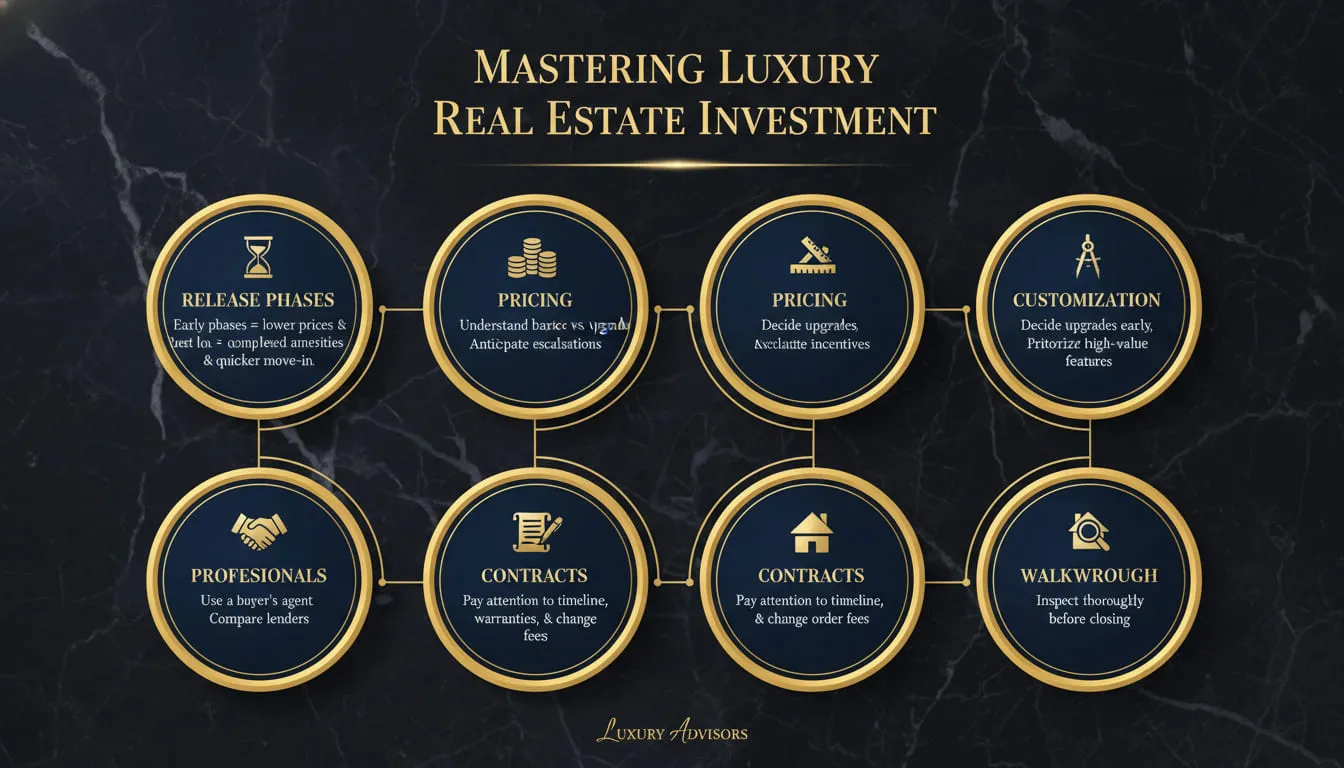
| Topic | What You Should Know |
|---|---|
| Release Phases | Early phases = lower prices and best lots; later phases = completed amenities and quicker move-in |
| Pricing | Understand base price vs. upgrades; anticipate escalations; negotiate incentives |
| Customization | Decide upgrades early; prioritize high-value features |
| Professionals | Use a buyer’s agent and compare lenders |
| Contracts | Pay attention to timeline, warranties, and change order fees |
| Walkthrough | Inspect thoroughly before closing |
F.A.Q.
FAQ: Understanding Builder Release Phases in New Developments
1. How do builders typically structure their release phases, and what determines which lots or homes are released first?
Builders usually release homes in phases to manage demand, construction timelines, and financing. Early releases often include a limited number of lots or floor plans to test market response. Lots with higher visibility, easier construction conditions, or strong appeal may be released first, while premium lots (larger, corner, or with views) are sometimes held for later phases.
2. What factors influence pricing from one release phase to the next, and how predictable are those increases?
Price increases are influenced by demand, sales velocity, construction costs, labor and material prices, interest rates, and broader market conditions. While many builders plan incremental increases between phases, the exact amount is not always predictable and can change quickly in strong markets.
3. How transparent should buyers expect builders to be about future release timelines, pricing, and available lots?
Transparency varies by builder. Some provide general guidance on future phases, while others share minimal details to retain pricing flexibility. Buyers should expect approximate timelines and policies, but not guaranteed prices or exact release dates for future phases.
4. Is buying early in a development generally more cost-effective, or are there advantages to waiting for later phases?
Buying early can be more cost-effective due to lower base prices and early-phase incentives. However, later phases may offer completed amenities, a clearer picture of the neighborhood, and less construction disruption—benefits that can outweigh higher prices for some buyers.
5. What risks do buyers take on when purchasing in very early phases, such as prolonged construction or delayed amenities?
Early buyers may face extended construction noise, unfinished roads, delayed community amenities, or changes to the original development plan. There is also a risk that market conditions shift, affecting resale value in the short term.
6. How can buyers stay prioritized—or improve their chances—when releases are managed by waitlists, lotteries, or first-come systems?
Buyers can improve their chances by registering early, staying in close contact with the sales team, being flexible on lot or floor plan options, and having financing pre-approved. Demonstrating readiness to move forward quickly often helps.
7. What questions should buyers ask about potential price adjustments or protections if costs rise before the home is completed?
Buyers should ask whether the contract includes price escalation clauses, what costs are fixed versus variable, and whether there are caps on increases. It’s also important to understand how long pricing is locked in after contract signing.
8. How do market conditions or demand levels impact the pace of releases and the aggressiveness of phase-to-phase price changes?
In high-demand markets, builders may release homes more slowly and raise prices more aggressively between phases. In slower markets, releases may be accelerated, incentives added, or price increases minimized to maintain sales momentum.
9. What red flags should buyers look for in a phased development that may signal delays, reduced amenities, or unexpected costs?
Red flags include vague answers about completion timelines, frequent changes to site plans, amenities described as “conceptual,” and unclear responsibility for future HOA fees or infrastructure costs. Poor communication is often an early warning sign.
10. What information should a knowledgeable real estate agent be able to uncover about upcoming phases or pricing strategies on behalf of buyers?
An experienced agent can often learn about unofficial release timing, likely price adjustments, historical pricing patterns, builder incentives, and which lots may be held back. They can also assess the builder’s track record for completing amenities and honoring plans.
⭐ Final Thoughts
Buying a new construction home can be a rewarding experience—as long as you understand how builder release phases, pricing structures, and contract terms work.
With the right strategy and professional support, you’ll be better equipped to make confident decisions and avoid costly surprises.
If you’re considering buying a new construction villa in Spain, make sure you understand the full buying process first
Thinking about buying a new construction home and want expert guidance from the start?
Talk to an experienced architect who can advise you on project phases, construction quality, upgrades, and true costs.
👉 Contact us today to get professional insight before you make your decision.
Marbella 2026: The White Paper
Strategic analysis on market decoupling, cross-border fiscal engineering, and ESG-driven valuation premiums. Access the definitive roadmap for the 2026-2030 cycle.